The Foundations of Breath: A Beginner's Guide to Pranayama
Most people come to yoga looking for a workout. They stay because of the breath.
The breath is the one system in the body that operates both automatically and consciously. We don’t have to think to breathe — but we can think to breathe. That makes it a rare bridge between the involuntary and the chosen, between the body and the mind.
Why Breath Is Central
In yoga philosophy, prana is life force — the energy that animates everything. Pranayama is the practice of extending and regulating that energy through the breath. It’s not just breathing exercises. It’s learning to work with the most fundamental resource you have.
Before you can regulate the breath, you have to notice it.
Start Here: Natural Breath Awareness
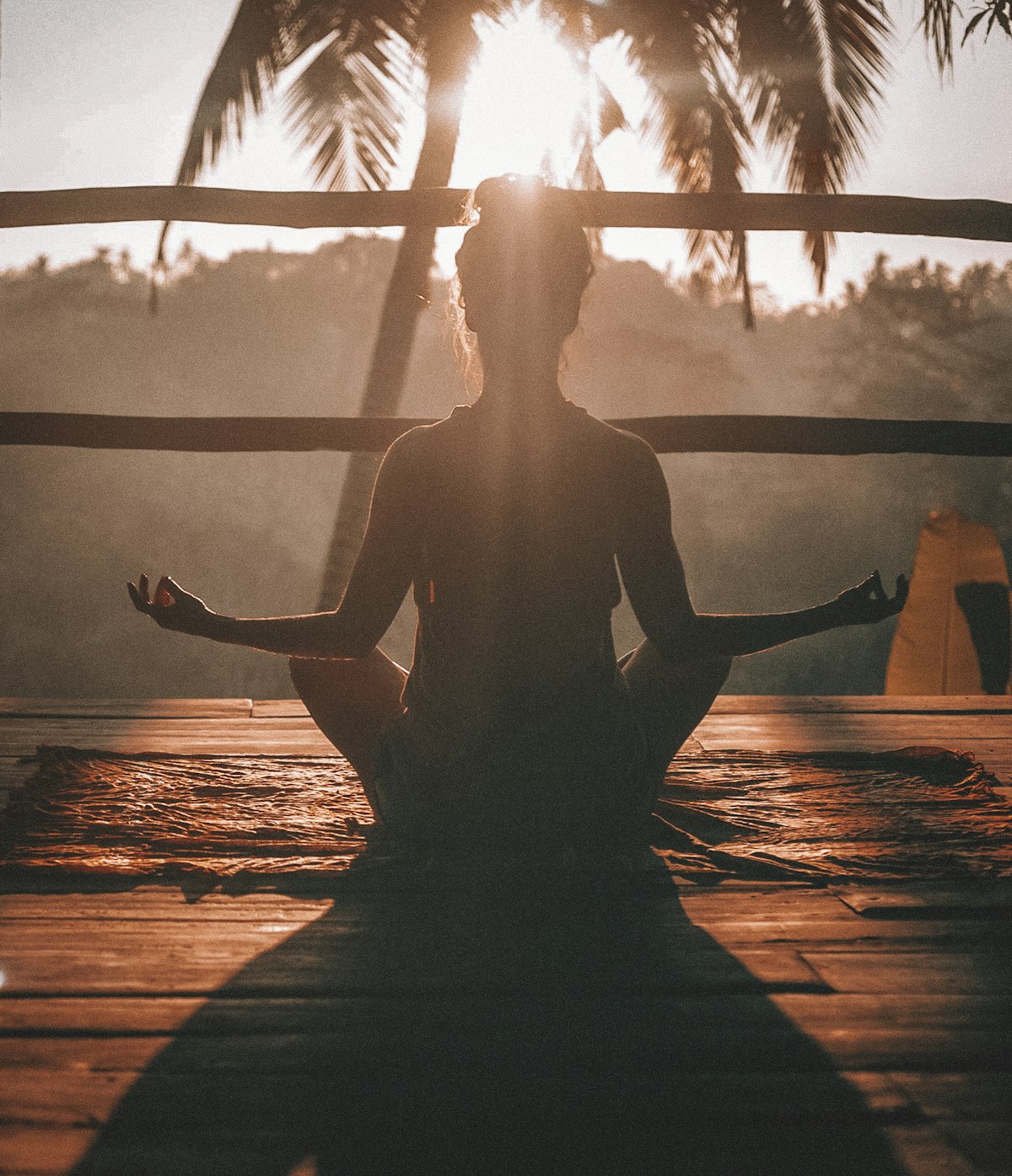
Sit comfortably. Close your eyes. Don’t change anything — just observe.
- Is your breath shallow or deep?
- Does it reach your belly, or does it stay in your chest?
- Is your exhale longer than your inhale, or shorter?
- Is there a natural pause between breaths?
Spend three to five minutes simply watching. This is already practice.
Three Foundational Techniques
1. Diaphragmatic Breathing (Belly Breath)
Place one hand on your chest, one on your belly. On an inhale, let your belly rise. On an exhale, let it fall. The chest should stay relatively still.
Most of us breathe backwards — belly sucked in, chest lifted — which creates tension and signals stress to the nervous system. Belly breathing reverses this.
Start with: 5 minutes daily. Work up to 10–15.
2. Extended Exhale
Breathe in naturally. Breathe out slowly, making the exhale twice as long as the inhale.
If you inhale for 4 counts, exhale for 8. If you inhale for 3, exhale for 6.
The extended exhale activates the vagus nerve and signals safety to the brain. It’s one of the fastest ways to move out of a stress response.
Start with: 10 rounds in the morning and before bed.
3. Ujjayi (Ocean Breath)
Partially constrict the back of your throat — the same sensation as fogging up a mirror, but with your mouth closed. Breathe in and out through the nose with this subtle constriction.
You’ll hear a soft, oceanic sound. It creates resistance, which slows the breath and helps maintain focus during movement.
This is the breath most commonly used during asana (pose) practice.
Start with: Practice seated before bringing it into movement.
A Note on Consistency
You don’t need a long session. Five minutes of conscious breathing every day will change you more than an hour every other week. The nervous system learns through repetition, not intensity.
Find one technique that interests you. Practice it for a week. Notice what shifts.
The breath will always meet you where you are.